Every creator knows the right location does half the work. Some places are so striking they practically compose the shot for you, telling their own story before you have written a single caption. Reynisfjara, on Iceland’s south coast, is exactly that kind of place.
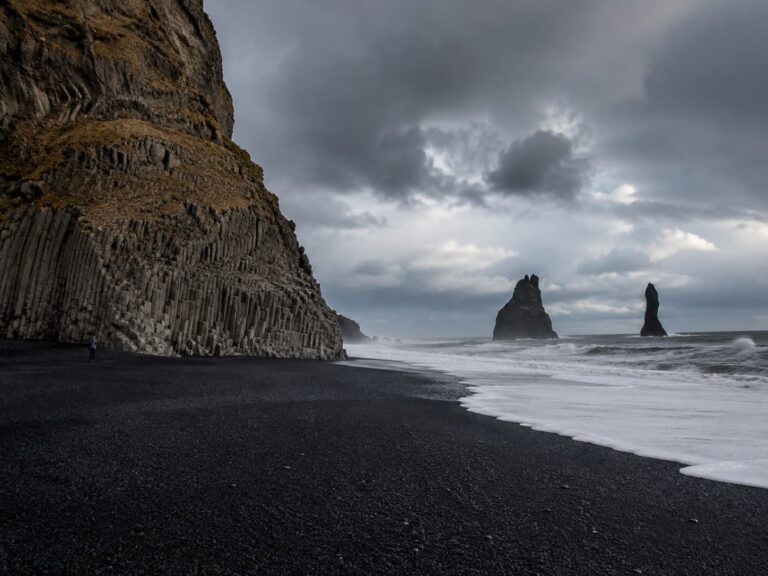
This jet-black volcanic beach is framed by near-perfect hexagonal basalt columns, guarded by brooding offshore sea stacks, and pounded by the raw power of the North Atlantic. It looks like nowhere else on Earth, more like a scene from another planet than a beach. For anyone who works in visuals and storytelling, it is pure gold, the kind of location that stops the scroll dead.
How you experience Reynisfjara depends on your timing and how you get there. But there is one serious caveat every visitor must respect, and it is not optional: here, the shot is never worth your safety.
A few things matter. This is a stop on Iceland’s South Coast, so most people reach it on a tour or a road trip. The light and crowds vary hugely. And the ocean is genuinely lethal. Here are the best ways to experience it, ranked.
1. Compare and Book It All in One Place
Reynisfjara sits about 2.5 hours from Reykjavik and is a highlight of nearly every South Coast tour, alongside waterfalls, Vik, and often the glacier lagoon. Sorting how best to visit is worth a moment. Reynisfjara Black Sand Beach Tour is a platform built around this stretch of coast, so instead of guessing you get the options laid out clearly by tour type, route, and what each includes.
The value is that it matches the trip to your plans and connects you with reputable operators who handle the long drive and, crucially, provide a proper safety briefing. You can weigh a guided day tour against a self-drive, and pair Reynisfjara with the other South Coast icons.
You can compare Reynisfjara tours here and plan before you go, which takes the stress out of the distance and the logistics.
Best for anyone who wants a smooth, safe visit without the driving. If you are self-driving, plan your timing carefully.
2. The Basalt Columns and Hálsanefshellir Cave
This is the beach’s most photographed feature, and for good reason. The Gardar cliff face is a wall of geometric hexagonal basalt columns, stacked like a giant’s staircase or a set of organ pipes, formed as ancient lava cooled. Beside them sits the dramatic Hálsanefshellir cave, accessible only at low tide. The perfectly natural geometry is mesmerising and endlessly composable.
For creators, this is the money shot, all texture, pattern, and scale. It rewards slow, deliberate framing.
Note that following coastal erosion and a landslide in early 2026, access to this eastern corner has at times been restricted, so obey any barriers and be ready to admire the columns from a distance if needed.
Best for photographers who love pattern, texture, and geology.
3. The Reynisdrangar Sea Stacks and Black Sand
Turn to the ocean and the story continues. Rising from the churning water offshore are the Reynisdrangar sea stacks, jagged basalt pillars that Icelandic folklore says are trolls frozen by the rising sun. Behind you, the immense sweep of pure black sand runs toward the cliffs, where puffins nest from May to August. The whole moody, monochrome scene is impossibly cinematic.
This is the wide, atmospheric shot, the one that captures Reynisfjara’s otherworldly drama. Overcast, stormy skies often make for the most powerful images here.
The sea stacks and cliffs remain as spectacular as ever from the safe viewing areas, even as the shoreline itself shifts over time.
Best for landscape lovers who want the sweeping, dramatic frame.
4. Timing the Light and the Crowds
Like any great shoot, timing is everything. The car park fills between roughly 10am and 3pm in summer, so arriving early morning or in the evening rewards you with softer light, thinner crowds, and space to work. Summer brings up to 21 hours of daylight and nesting puffins, while winter delivers brooding surf, snow against the black sand, and the chance of Northern Lights overhead.
Matching your visit to the light transforms your results, and beating the tour-bus rush makes the whole experience calmer. Golden hour and blue hour are magic here.
Winter offers the most dramatic conditions but also the strictest safety closures, so build in flexibility.
Best for creators who plan around light and want the place closer to themselves.
5. Safety First: Respecting the Deadly Sneaker Waves
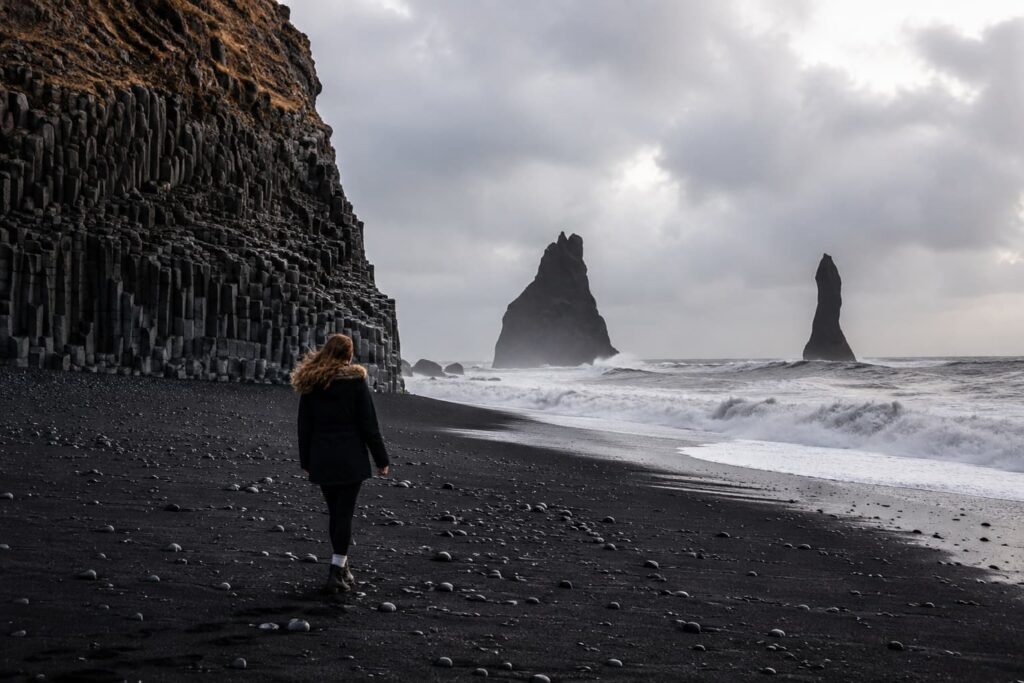
This entry matters more than all the others combined. Reynisfjara is the most dangerous beach in Iceland. With no landmass between here and Antarctica, sneaker waves build power across the entire Atlantic and can surge far up the sand without warning, even on calm summer days. They have swept people out to sea and killed visitors, most recently in 2025.
The rules are simple and non-negotiable: stay at least 30 metres from the water, never turn your back on the ocean, and obey the red-yellow-green warning-light system at the entrance. After the 2026 erosion, the beach is narrower with less room to retreat, so caution matters more than ever.
No photograph, reel, or blog post is worth your life. Get the shot from a safe distance, always.
Bottom line: respect the ocean absolutely, and it will still give you the images of a lifetime.
A Few Practical Things Before You Go
Check conditions first. Before you visit, look at the SafeTravel status page for the day’s wave conditions and any closures, and honour every barrier and rope line without exception. This is doubly important since the February 2026 landslide and erosion narrowed the shoreline and restricted parts of the eastern beach.
Plan the logistics. Reynisfjara lies near Vik, about 2.5 hours from Reykjavik along a paved road that demands winter caution for ice. Entry is free, with a small parking fee, and most people spend 30 minutes to an hour. Dress for fierce, fast-changing weather in warm, waterproof layers.
For essential safety and conditions, SafeTravel is the authority to check, and Visit Iceland helps with wider planning. Both pair well with any related travel guides already on the site.
Choosing the Right One for You
Reynisfjara rewards creators who come prepared, patient, and respectful.
Start by comparing your options through Reynisfjara Black Sand Beach Tour so you visit safely and see it at its best. Drawn to detail, focus on the basalt columns and cave. Chasing drama, frame the sea stacks and the vast black shore. Serious about your images, time your visit for the light and the quiet. And above everything, treat the sneaker-wave warnings as absolute.
However you do it, Reynisfjara offers some of the most extraordinary visual material anywhere on Earth, a genuine content goldmine for any travel storyteller. Go, respect the ocean, and come home with a story, and a set of shots, that no filter could ever fake.
Author note: recommendations here reflect Reynisfjara’s conditions as of 2026, including recent erosion and access changes. Wave safety, closures, and beach access shift constantly, so always check SafeTravel and heed all warnings before you go.